

Stellaris How To Increase Empire Sprawl
How Stellaris' Changes to Unity Are Impacting Empire Management
Stellaris' mechanics change equally often as its empires fall, and an upcoming modify to how the game's Unity currency works volition accept huge ramifications.

Over the years since its initial release, Stellaris has undergone changes that accept radically contradistinct its mechanics, forcing Empires to come upwardly with new playstyles to win. These include the many DLCs and Expansions, as well every bit the costless updates that ordinarily back-trail them, all carefully explained through dev diaries. Just in their quest to make it one of the best sci-fi strategy games e'er fabricated, Paradox'due south developers are e'er trying to find ways to ameliorate balance the game, so that whatsoever playstyle is a viable way to conquer the galaxy.
Unity is currently virtually useful for unlocking Tradition Trees and past extension the Ascension Perks later on. It'due south also used for enacting Ambition Edicts afterwards in a session, providing temporary but powerful buffs to your Empire. Beyond these two mechanics, however, Unity is a considerably less important resources to assemble compared to Influence and Research points. This has led to about players choosing materialist ethics for their Empires which helps with the powerful "tech rushing" strategy, while spiritualist Empires are considered underpowered past comparing.
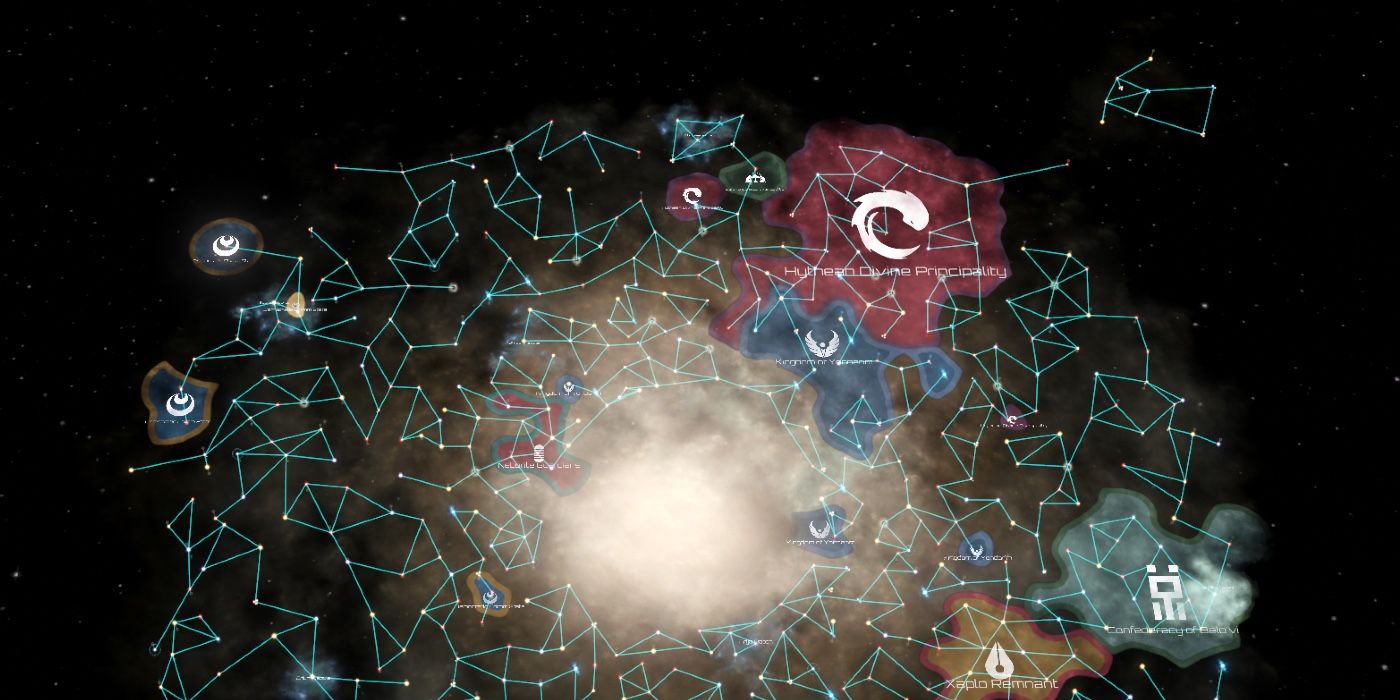
Equally a manner to fifty-fifty the odds, nigh of these changes are geared towards making Unity much more valuable and important to generate. For starters, Unity is needed to recruit leaders instead of free energy credits from now on, every bit well as a monthly budget price. Initial authoritative capacity for each Empire is being increased, however, all methods of increasing it further equally the game goes on have been removed. Empire Sprawl and its penalties can be reduced, but tin no longer exist completely mitigated.
The Edicts Cap organisation has been removed and replaced with Edict Funds. Each Edict volition now have monthly Unity upkeep but is subsidized by the total Edict Funds, thus reducing the corporeality you have to pay each month to maintain them. Political factions within Empires will also no longer be a source of Influence but at present produce Unity. Influence for Empires will now be produced based on their total fleet size when compared to total sprawl. Virtually Megastructures will now cost a hefty corporeality of Unity rather than Influence in order to build. The exceptions to these changes include Gateways, Habitats and Ringworlds, which will still crave Influence.
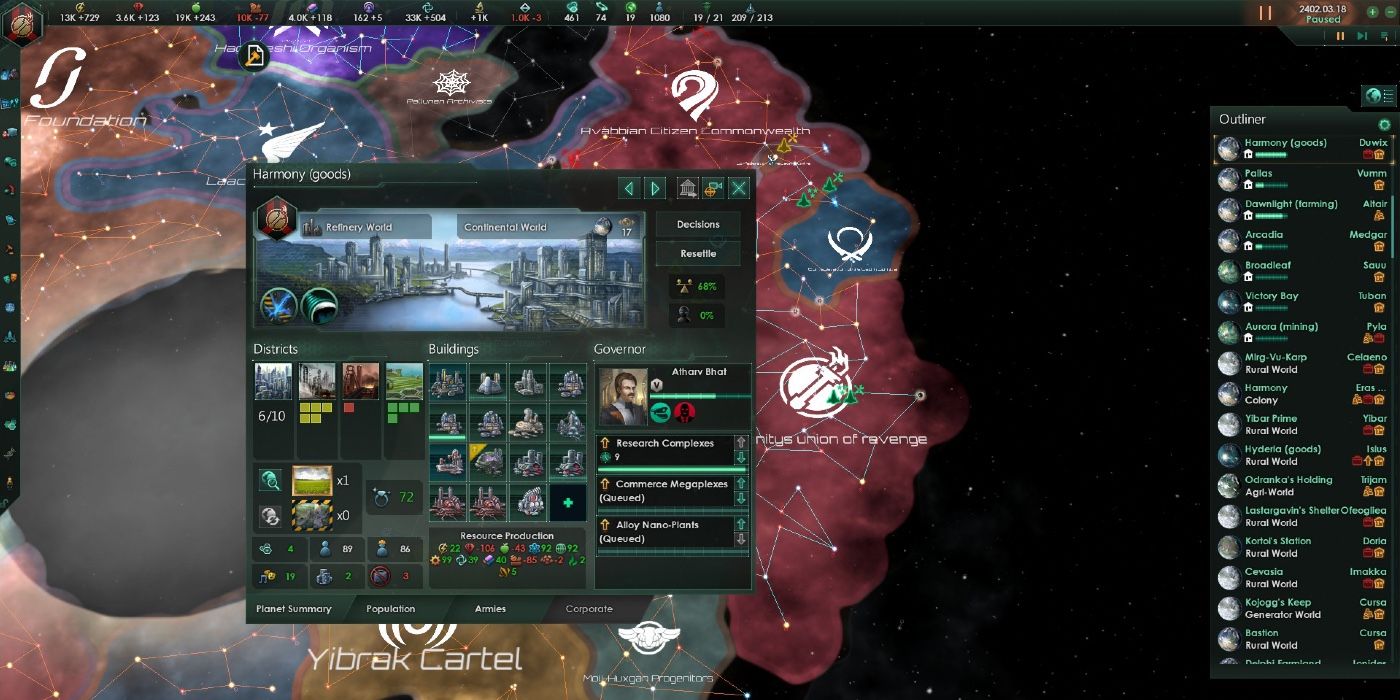
A big part of the goals behind this update is to also make the "tall" playstyle a feasible option once again. Until now, playing "broad" and securing every bit much territory as possible was considered the just way to stay competitive with rival Empires. These changes will force players to decide whether to focus on fully developing what niggling territory and colonies they control or expand every bit much every bit possible.
With how big these changes will be, the developers have launched an open up beta of the game with these changes on Steam. With the help of user input, the new systems and mechanics tin exist tested out before launching with the three.3 update. The specifics for how the open beta will run will exist discussed in future dev diaries.
While already meaning, these are only the kickoff in a long listing of changes the developers take planned for Stellaris. New situations might ascend that tin be helped or hindered past Unity. Empires with more than Unity generated might exist considered more resilient to resource deficits and less likely to suffer from internal strife and rebellion. Pops on colony worlds that are under attack might even go reinforcements for the defending side. A new system is as well beingness added meant to benefit Unity-focused Empires in the mid to late game called Planetary Ascension Tiers, though for now it tin only be speculated what this system is and how it'll function.
Source: https://www.cbr.com/stellaris-update-3-3-unity-chnages/
0 Response to "Stellaris How To Increase Empire Sprawl"
Post a Comment